Uncategorized
Air Compressor Covers UK: How to Choose the Right One
Your air compressor is a hardworking piece of kit. A proper cover keeps it ready for work and protects it from the conditions that cause

Your air compressor is a hardworking piece of kit. A proper cover keeps it ready for work and protects it from the conditions that cause the most damage.
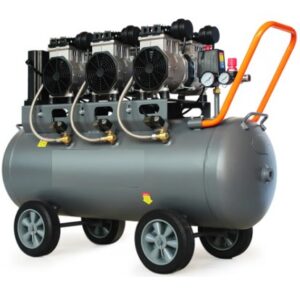
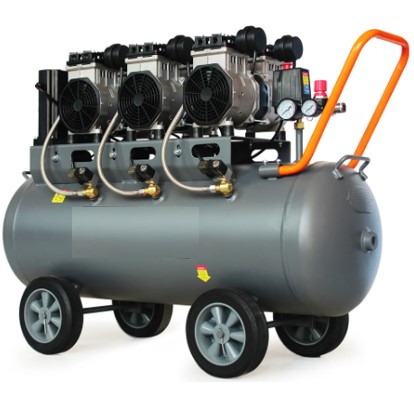
Air compressors are used in workshops, garages, construction sites, and industrial facilities across the UK. Whether yours is a small portable unit or a large stationary compressor, it contains electrical components, motors, valves, and metal parts that are all vulnerable to the same enemies: dust, moisture, and physical damage.
A quality cover for an air compressor is one of the simplest and most cost effective ways to extend the working life of your equipment. This guide explains what to look for and why a waterproof air compressor cover built to your exact dimensions is worth the investment.
Compressors are tough machines but they are not immune to environmental damage during periods of inactivity. The most common causes of premature wear in uncovered equipment include:
Each of these factors is preventable with a well fitted protective cover. For compressors used regularly but left stationary between shifts or overnight, a cover that goes on and comes off quickly makes the habit easy to maintain.
Not all covers offer the same level of protection. These are the features that separate a good cover from a poor one:
Air compressors come in a huge variety of shapes and sizes. A compact portable unit sits very differently to a large two stage stationary compressor mounted on a tank. Standard covers are produced in a limited range of general sizes that rarely match the exact profile of any specific machine.
A cover for an air compressor that is made to measure is cut to the width, depth, and height of your specific unit, including any protrusions such as handles, gauges, outlet points, and wheels. The result is a cover that sits flush on every surface, requires no adjusting, and provides complete protection without gaps or excess material that collects debris.
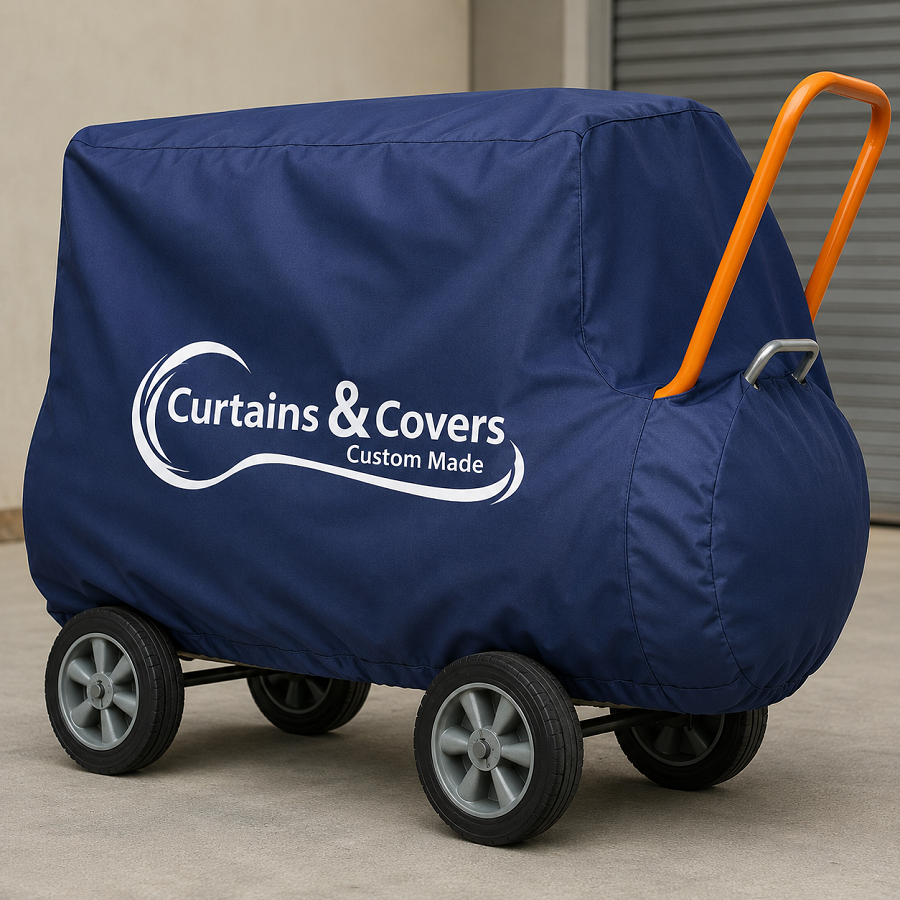
An air compressor is a significant investment for any workshop, garage, or industrial operation. Protecting it with the right cover is a small ongoing cost that prevents expensive repairs, reduces downtime, and extends the working life of the machine significantly. For compressors with non standard dimensions or in particularly demanding environments, an air compressor waterproof cover made to your exact measurements is the most reliable option available.
Q1. Can I run my compressor with the cover on?
No. Covers should only be used when the compressor is switched off and not in operation. Always remove the cover fully before starting the machine to allow proper airflow and prevent overheating.
Q2. What material is best for an outdoor air compressor cover?
12oz PVC coated vinyl is the most suitable material for compressors kept outdoors or in semi outdoor environments. It is fully waterproof, UV resistant, and durable enough to handle year round British weather.
Q3. How do I measure my compressor for a custom cover?
Measure the width at the widest point including any handles or protruding fittings, the depth from front to back, and the height from the floor to the tallest point of the unit. Include any wheels or base frame in the height measurement.
Q4. How often should I replace my compressor cover?
A quality heavy duty cover should last 3 to 5 years with basic care. Wash it periodically with mild soapy water and allow it to dry fully before replacing it on the machine.
Q5. Can a cover cause condensation inside?
A fully sealed cover with no ventilation can trap moisture, particularly in environments with temperature changes overnight. Covers with built in ventilation panels or breathable sections prevent this without compromising weather protection.
Your air compressor is a hardworking piece of kit. A proper cover keeps it ready for work and protects it from the conditions that cause
Your tennis court is a significant investment. Leaving it unprotected from the British weather is one of the most expensive mistakes a club or homeowner

Typically replies within a minute.